Lawn Repair and Restoration
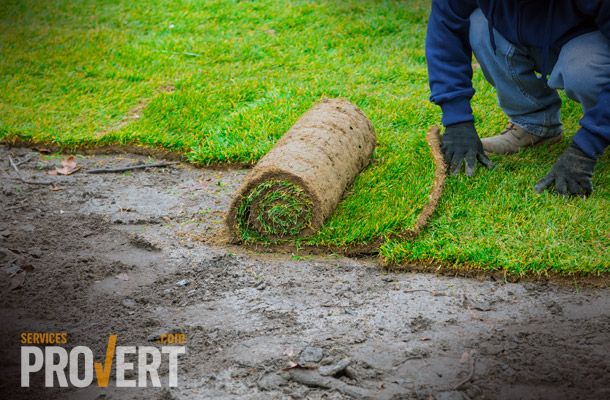
Sometimes a lawn may deteriorate or partially die off due to various factors. Several conditions can weaken turfgrass and cause bare spots or dead patches to appear.
Common causes include:
- prolonged ice or compacted snow cover during winter;
- certain lawn diseases;
- weed invasion;
- damaging insects;
- poor soil drainage;
- mowing too short;
- lack of water during hot weather;
- insufficient sunlight.
In these situations, partial lawn repair, often called spot overseeding, may be required.
Many homeowners simply spread grass seed and cover it with a layer of garden soil purchased from a garden center. However, this method does not always produce good results.
To successfully repair a lawn, it is essential to first identify the cause of the damage and correct it. If the underlying issue is not resolved, the new grass may decline again over time.
Once the cause has been identified and corrected, lawn repair can generally be carried out using the following steps (depending on specific conditions):
- lightly loosen the soil, ideally in early spring or in the second half of August;
- remove excess thatch if necessary;
- apply a starter fertilizer suitable for overseeding;
- add lime if the soil pH is too acidic;
- spread grass seed evenly;
- lightly rake the soil to cover the seed with existing soil;
- level the soil surface for a uniform lawn;
- avoid adding a different soil type, such as garden soil, which may create imbalance with the existing soil;
- water regularly to moisten about 3 cm (1–1.5 inches) of soil if rainfall is insufficient;
- keep the soil consistently moist during germination, especially in warm weather;
- avoid walking on newly seeded areas, even during mowing or watering.
By following these steps and correcting the underlying cause, it is possible to restore a dense and healthy lawn.