Gray Snow Mold in Lawns
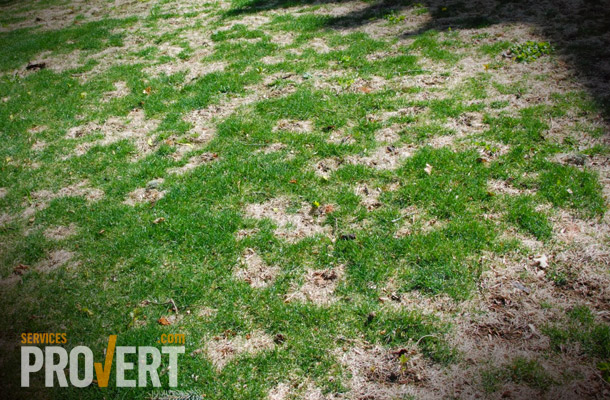
Gray snow mold is a winter lawn disease caused by fungi that develop under prolonged snow cover, ice layers, or protective coverings such as geotextile fabrics. This disease typically becomes visible in early spring as the snow melts.
The longer snow remains on the lawn during winter, the greater the risk of infection. Constant moisture, limited oxygen, and cool temperatures create ideal conditions for the fungi responsible for snow mold to develop.
In spring, the disease usually appears as flattened, discolored patches of grass, sometimes covered with a gray or whitish fuzzy growth on the turf surface. The affected areas may take time to recover, especially if spring conditions remain cold and damp.
Several lawn care practices can significantly reduce the risk of gray snow mold:
- Remove snow early in the spring, instead of letting it melt slowly on the lawn.
- Break up or remove ice layers that may form during winter.
- Avoid compacting snow through frequent foot traffic or winter activities.
- Reduce excessive thatch buildup during the growing season to improve air circulation.
When the infection is severe, the lawn may take several weeks to recover in spring. If April and May remain cold and wet, weakened areas of the lawn may also become invaded by weeds, algae, or moss.
A balanced lawn care program—including soil aeration, proper fertilization, and thatch management—helps strengthen turfgrass and reduce the risk of winter diseases such as gray snow mold.